



ALDH1
Aldehyde dehydrogenase 1 (ALDH1) comprises several isoforms, including ALDH1A1, ALDH1A2, and ALDH1A3, and functions as an NAD(P)+-dependent enzyme family that oxidizes aldehydes and contributes to cellular detoxification, stem cell maintenance, and differentiation programs[1]. Mechanistically, ALDH1 isoforms participate in the synthesis of all-trans retinoic acid (RA) from retinaldehyde, linking ALDH1 activity to retinoid signaling pathways that regulate self-renewal, differentiation, and cellular homeostasis[1][2]. In disease settings, elevated ALDH1 activity is widely associated with cancer stem cells (CSCs) and correlates with tumor initiation, therapeutic resistance, stemness maintenance, and disease progression across multiple solid tumors[1][2]. ALDH1A1 in particular contributes to resistance against oxidative and aldehyde-induced stress and is frequently enriched in drug-resistant cancer cell populations, making it a valuable experimental marker for CSC identification and functional studies[2][3][4]. Compared with related isoforms, ALDH1A1 and ALDH1A3 both regulate aldehyde detoxification and retinoic acid biosynthesis, yet ALDH1A1 is less efficient at generating all-trans retinoic acid than ALDH1A3 and exhibits distinct regulatory interactions with oncogenic pathways[2][5]. For experimental applications, genetic silencing, pharmacological inhibition, and ALDH-targeting strategies are widely used to investigate CSC biology, overcome chemoresistance, and evaluate isoform-specific therapeutic vulnerabilities in cancer models[3][6][7].
References:
- [1]. Poturnajova M, et al. Aldehyde dehydrogenase 1A1 and 1A3 isoforms - mechanism of activation and regulation in cancer. Cell Signal. 2021;87:110120. [Content Brief]
- [2]. Zanoni M, et al. Emerging Roles of Aldehyde Dehydrogenase Isoforms in Anti-cancer Therapy Resistance. Front Med (Lausanne). 2022;9:795762. [Content Brief]
- [3]. Nguyen AL, et al. The Significance of Aldehyde Dehydrogenase 1 in Cancers. Int J Mol Sci. 2024;26(1):251. [Content Brief]
- [4]. Marcato P, et al. Aldehyde dehydrogenase: its role as a cancer stem cell marker comes down to the specific isoform. Cell Cycle. 2011;10(9):1378-1384. [Content Brief]
All Product Categories
-
ALDH1 Related Products (23)
Related Products (23)

-
Antibodies (3)
- 1
- 2
-
Win 18446
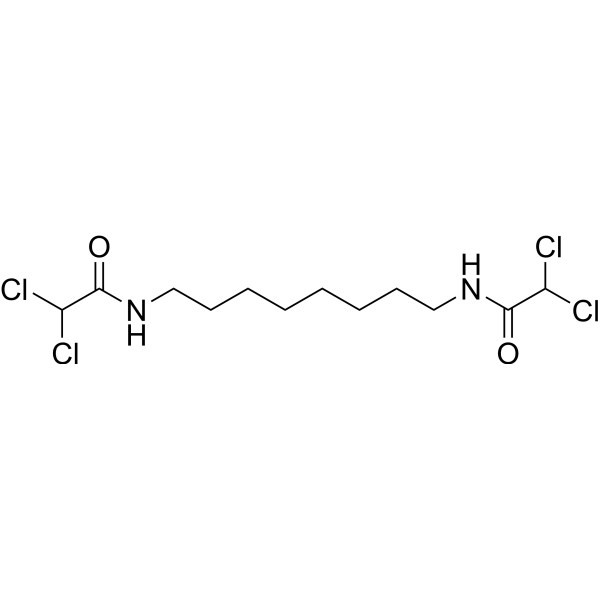 0 ImagesWin 18446 is an orally active testes-specific enzyme ALDH1a2 inhibitor, with an IC50 of 0.3 μM. Win 18446 reversibly inhibits spermatogenesis in many species and inhibits Retinoic acid (HY-14649) biosynthesis from Retinol (HY-B1342) within the testes.
-
α-NETA
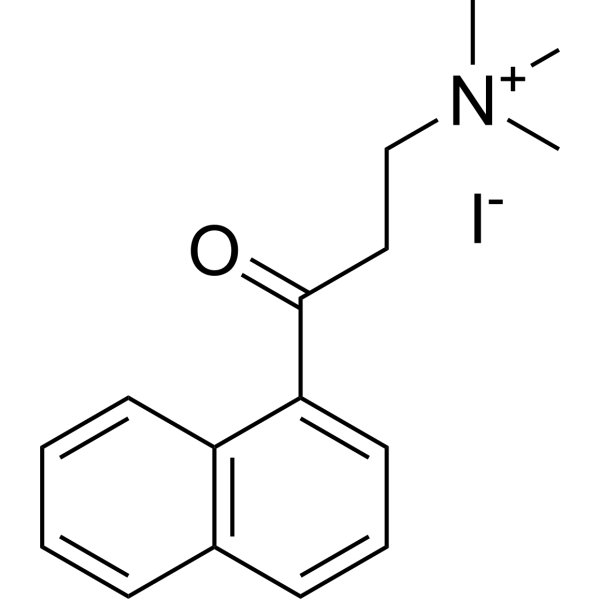 0 Imagesα-NETA is a potent and noncompetitive choline acetyltransferase (ChA) inhibitor with an IC50 of 9 μM. α-NETA is a potent ALDH1A1 (IC50=0.04 µM) and chemokine-like receptor-1 (CMKLR1) antagonist. α-NETA weakly inhibits cholinesterase (ChE; IC50=84 µM) and acetylcholinesterase (AChE; IC50=300 µM). α-NETA has anti-cancer activity.
-
NCT-501
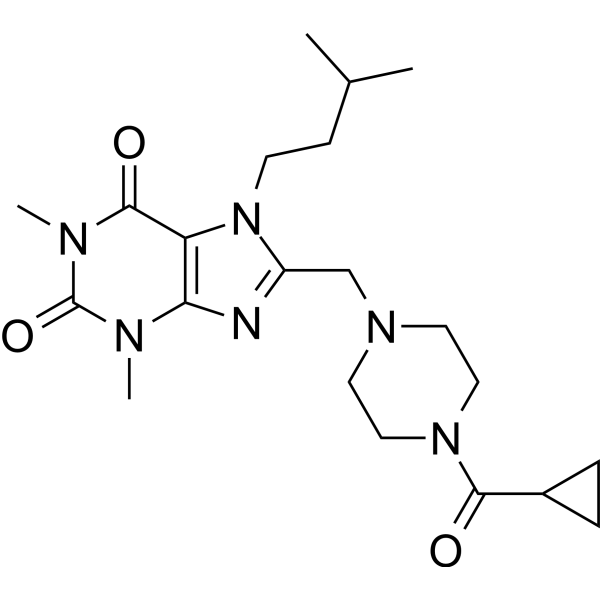 0 ImagesNCT-501 is a reversible, non-competitive, selective, blood-brain barrier-permeable ALDH1A1 inhibitor with an IC50 of 40 nM. NCT-501 inhibits the AKT-β-catenin signaling pathway, induces necroptosis in nasopharyngeal carcinoma cells, suppresses their proliferation and inhibits stem cell spheroid formation. NCT-501 can be used in research related to nasopharyngeal carcinoma, esophageal squamous cell carcinoma and malignant tumors.
-
IGUANA-1
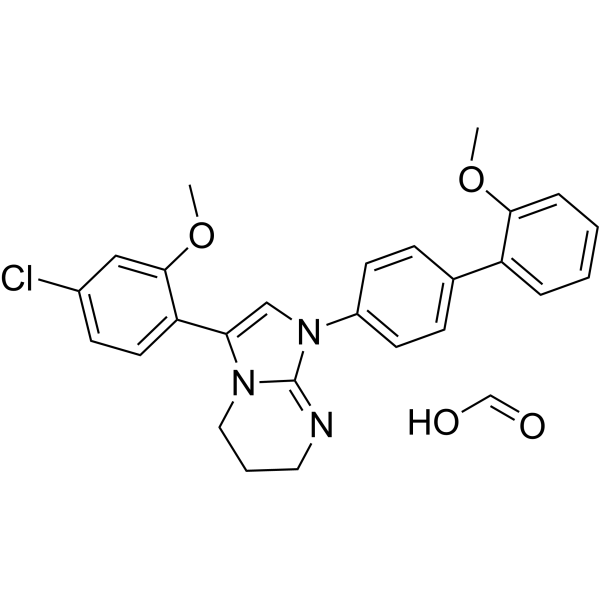 0 ImagesIGUANA-1 is a potent and selective ALDH1B1 inhibitor. IGUANA-1 shows no significant mitochondrial toxicity. IGUANA-1 has antitumor activity.
-
CM037
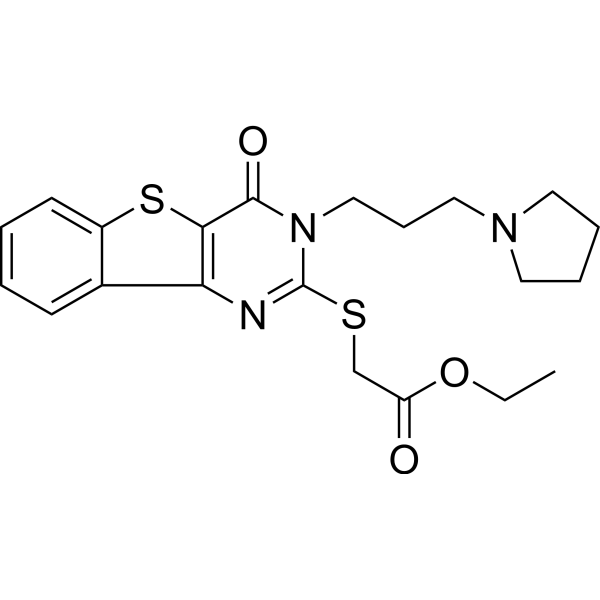 0 ImagesSynonyms: A37CM037 is a highly selective and competitive ALDH1A1 inhibitor (IC50=4.6 μM). CM037 blocks the catalytic activity of ALDH1A1, thereby inhibiting the activation of the downstream HIF-1α/VEGF pathway. CM037 is mainly used to study the ALDH1A1-mediated regulation of cancer stem cells (CSCs) and angiogenesis, especially in breast cancer, showing the potential to inhibit tumor angiogenesis and stem cell characteristics.
-
Z3405279217
 0 ImagesCat. No.: HY-187703CAS No.: 2305402-77-9Z3405279217 is an inhibitor of ALDH1A3 and ALDH1A1, with an IC50 value of 12.9 μM against ALDH1A3. Z3405279217 can be used in studies of non-small cell lung cancer and glioblastoma.
-
BM-51
 0 ImagesCat. No.: HY-187170CAS No.: 3038211-56-9BM-51 is a selective inhibitor of CYP4Z1, with a human IC50 value of 91.7 nM. BM-51 binds to amino acid residues of CYP4Z1, thereby inhibiting its enzymatic activity. BM-51 downregulates the protein expression of stem cell markers (ALDH1A1, SOX2, OCT3/4 and KLF4) in cancer cells, inhibits cancer cell migration and invasion, and exhibits low toxicity to normal cells/tissues. BM-51 suppresses tumor initiation capacity and enhances the chemotherapeutic efficacy of Doxorubicin (HY-15142A). BM-51 can be used in breast cancer-related research.
-
ALDH1A3-IN-1
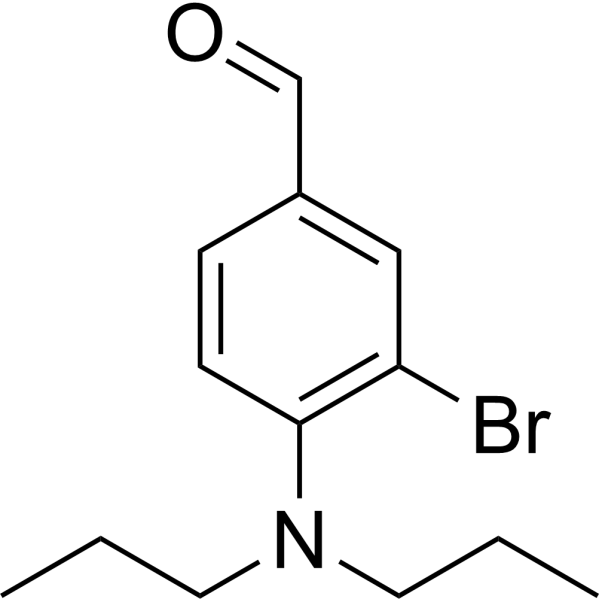 0 ImagesALDH1A3-IN-1 (Compound 14) is a potent ALDH1A3 inhibitor, with an IC50 of 0.63 μM and a Ki of 0.46 μM. ALDH1A3-IN-1 can be studied in prostate cancer.
-
ALDH1A3-IN-3
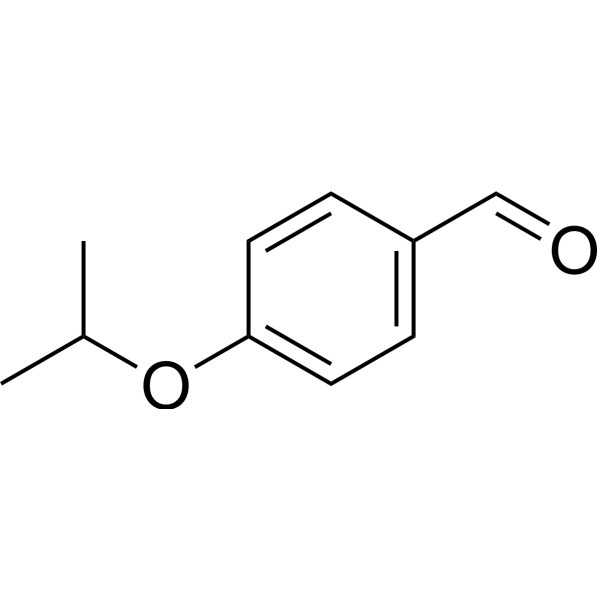 0 ImagesALDH1A3-IN-3 is a potent inhibitor of ALDH1A3, with an IC50 of 0.26 μM. ALDH1A3-IN-3 is also a good ALDH3A1 substrate which limits its application as a selective inhibitor. ALDH1A3-IN-3 can be used for the research of prostate cancer.
-
CM010
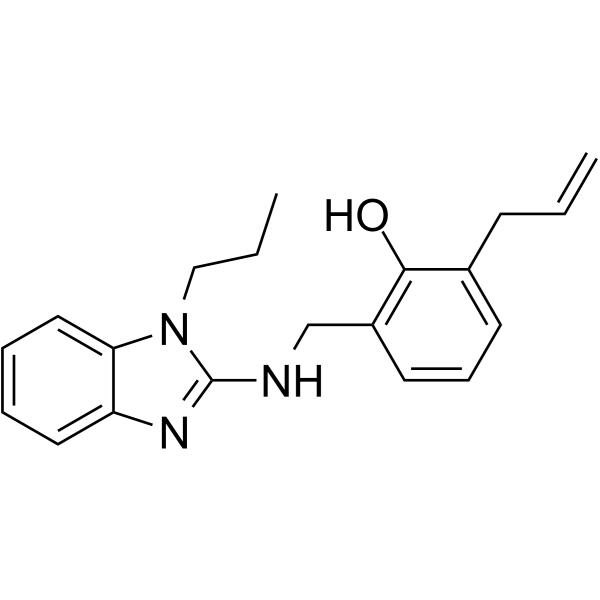 0 ImagesCM010 is a potent and selective aldehyde dehydrogenase 1A (ALDH1A) family inhibitor, with IC50s of 1700, 740, and 640 nM for ALDH1A1, ALDH1A2, and ALDH1A3, respectively. CM010 does not inhibit any of the other ALDH family members. CM010 can regulate metabolism and has anti-cancer activity.
-
MCI-INI-3
 0 ImagesMCI-INI-3 is a selective ALDH1A3 inhibitor, with an IC50 of 0.46 μM and a Ki of 0.55 μM against hALDH1A3. MCI-INI-3 inhibits retinoic acid (HY-14649) biosynthesis. MCI-INI-3 can be used in research related to glioblastoma and glioma.

-
NCT-506
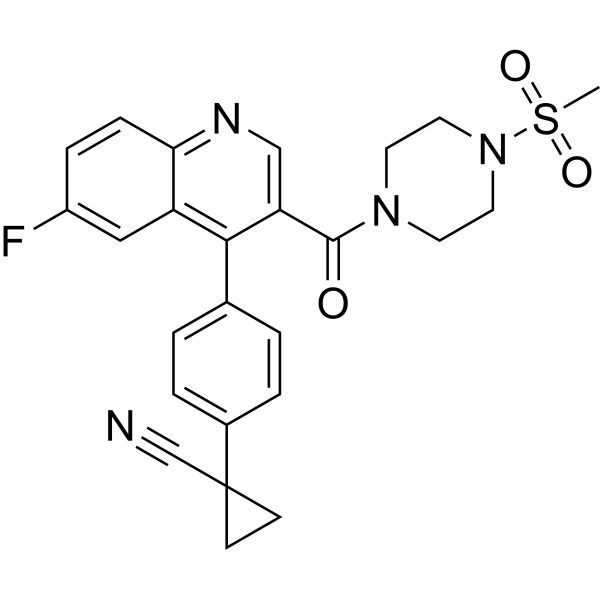 0 ImagesNCT-506 is an orally bioavailable aldehyde dehydrogenase 1A1 (ALDH1A1) inhibitors with an IC50 of 7 nM.
-
ALDH1A3-IN-2
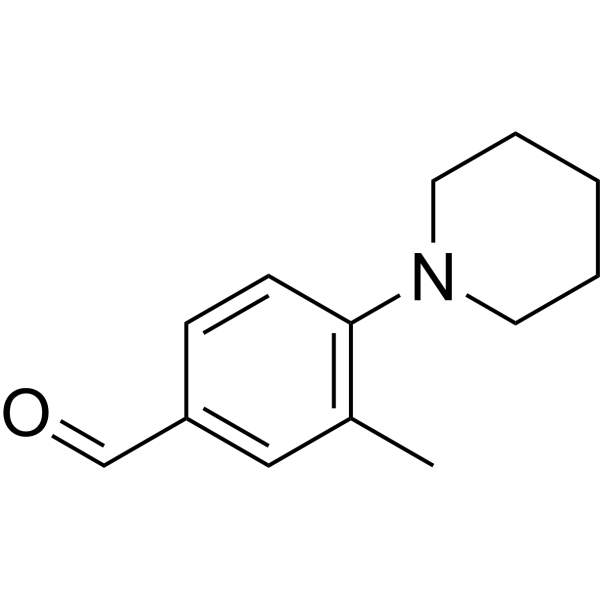 0 ImagesALDH1A3-IN-2 (Compound 15) is a potent inhibitor of ALDH1A3 with an IC50 of 1.29 μM. Aldehyde dehydrogenases (ALDHs) are overexpressed in various tumor types including prostate cancer. ALDH1A3-IN-2 has the potential for the research of cancer diseases.
-
KS106
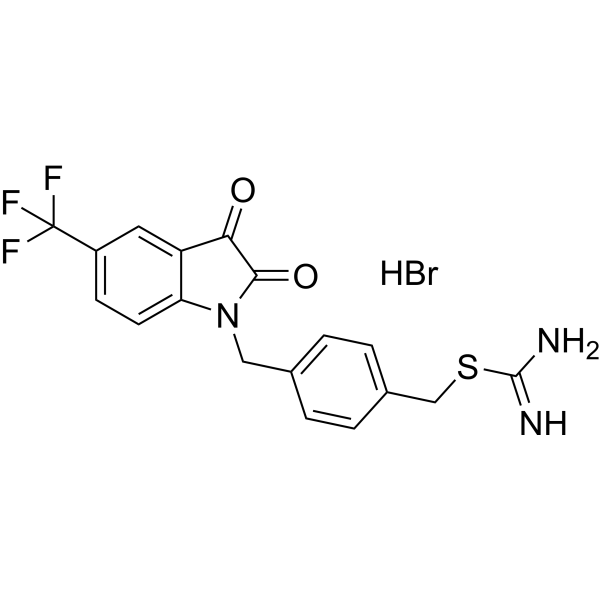 0 ImagesKS106 is a potent ALDH inhibitor with IC50s of 334, 2137, 360 nM for ALDH1A1, ALDH2, and ALDH3A1, respectively. KS106 shows antiproliferative and anticancer effects with low low toxic.KS106 significantly increases ROS activity, lipid peroxidation and toxic aldehyde accumulation. KS106 induces apoptosis and cell cycle arrest at the G2/M phase.
-
ALDH1A1-IN-2
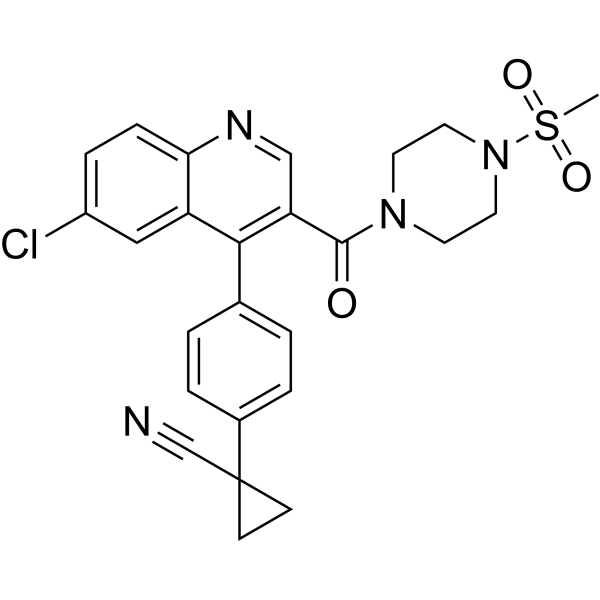 0 ImagesALDH1A1-IN-2 (compound 297) is a potent inhibitor of aldehyde dehydrogenase 1a1 (aldh1a1). Aldehyde dehydrogenases (ALDH) constitute a family of enzymes that play a critical role in oxidizing various cytotoxic xenogenic and biogenic aldehydes. ALDH1A1-IN-2 has the potential for the research of cancer, inflammation, or obesity.
-
Nitrefazole
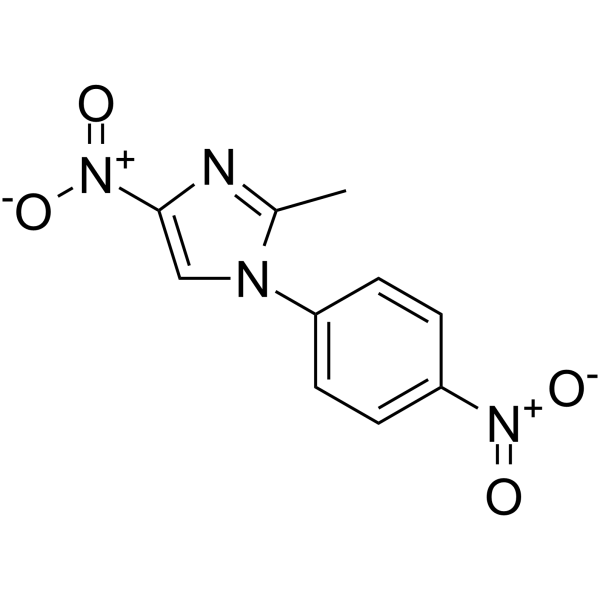 0 ImagesSynonyms: EMD-15700Nitrefazole (EMD-15700) is an aldehyde dehydrogenase (ALDH) inhibitor. Nitrefazole specifically inhibits human liver ALDH I and human erythrocyte ALDH isozymes, but does not alter the activity of human liver ALDH II or human placental ALDH. Nitrefazole effectively promotes exosome secretion in prostate cancer cells by increasing the levels of Alix, nSMase2, Rab27a and p-ERK. Nitrefazole can be used in studies related to prostate cancer.
-
NCT-505
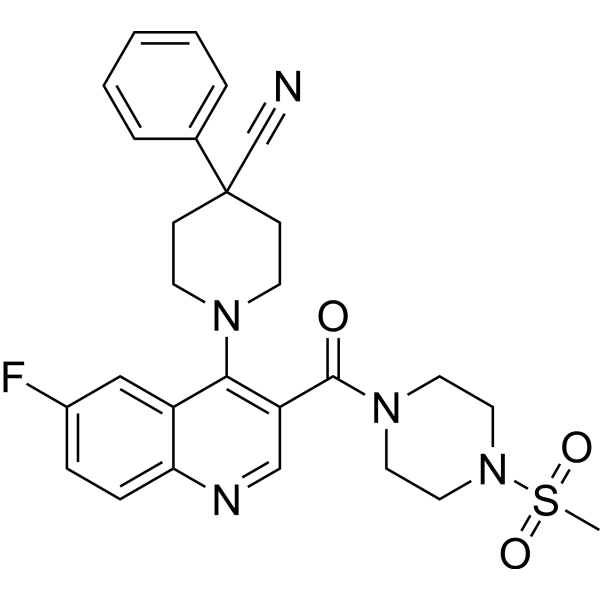 0 ImagesNCT-505 is a potent and selective aldehyde dehydrogenase (ALDH1A1) inhibitor, with an IC50 of 7 nM, and weakly inhibits hALDH1A2, hALDH1A3, hALDH2, hALDH3A1 (IC50s, >57, 22.8, 20.1, >57 μM).
-
ALDH1A1-IN-4
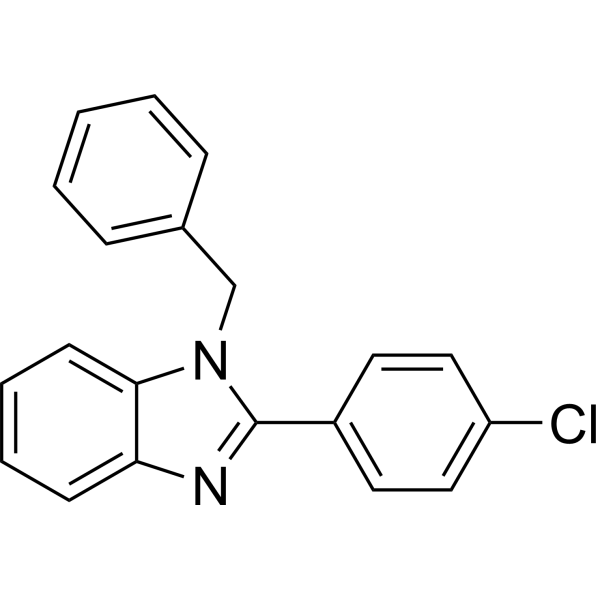 0 ImagesCat. No.: HY-157872CAS No.: 23982-86-7ALDH1A1-IN-4 (compound A1) is a potent inhibitor of aldehyde dehydrogenase (ALDH) A1, with IC50 value of 0.32 μM. ALDH1A1-IN-4 plays an important role in cancer research.
-
ALDH1A1-IN-5
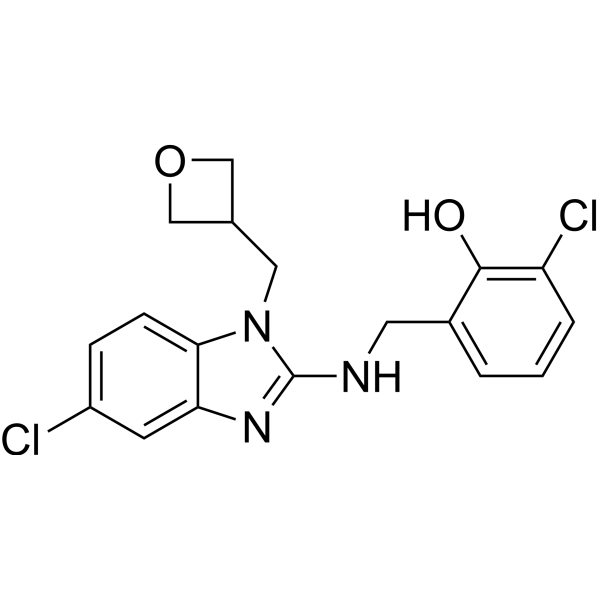 0 ImagesCat. No.: HY-158026ALDH1A1-IN-5 (compound 25) is a potent aldehyde dehydrogenase 1A1 (ALDH1A1) inhibitor with EC50 value of 83, 45, 43 µM for ALDH1A1, ALDH1A2, ALDH1A3, respectively. ALDH1A1-IN-5 has the potential for the research of high-grade serous ovarian cancer (HGSOC).
- 1
- 2




